
私の人生で最も輝いていた若い時代は終わり、やがて長い冬の時代が始まった。少しずつ、しかし確実に、統合失調症という病気が私の日常を蝕んでいったのである。
統合失調症という病気は、名前だけは知っていても、実際にどのような症状が現れるのかまでは知らない人が多いのではないだろうか。
私の場合、まず強くなったのは「被注察感」だった。これは、自分が誰かから常に見られたり、意識されたり、標的にされているように感じてしまう症状である。
もちろん、見知らぬ人が本当に私を気にしていたのかどうかは分からない。それでも、ほんの少しでもこちらを意識したように見える相手がいると、不安や緊張が一気に高まり、精神的に大きく疲れ果ててしまうのだった。
さらに、家族や周囲の人までもが自分を忌み嫌っているように感じることがあった。
そのため、人と自然に関わることが難しくなり、自分には価値がないと思い込むようになっていった。人そのものが怖くなり、相手の目を見ることさえできない。事情を知らない人から見れば、私は不自然で不信感を抱かれる人物だったかもしれない。
そして、私が最も苦しんだのは、思考がまとまらなくなることだった。
頭の中には意味のない考えが絶え間なく浮かび続け、集中できない。短期記憶や判断力も低下し、言葉がうまく出てこないこともあった。
今振り返れば、「なぜ自分はこんなにも駄目なのだろう」と何度も自分を責め、深く傷ついていた。他にも、思考に関するさまざまな困難が私を苦しめていた。
私の統合失調症は「妄想型」と診断され、その症状の一つとして幻聴があった。
人が近くにいるときはもちろん、誰もいないはずの場所でも、誰かが私に向かって不快な言葉をささやいているように聞こえるのである。
映画『ビューティフル・マインド』では、主人公の数学者ジョン・ナッシュは幻覚として三人の人物を見続けていた。私の場合は幻覚ではなく幻聴だった。いつも決まった何通りかの言葉が聞こえてくるのである。
もちろん、それらは現実には存在しない。しかし、その瞬間の私には、本当に誰かから言われたことのように感じられてしまうのだった。
二十五歳になる頃、私は自分から両親に相談し、地元の大きな精神科を受診することにした。
それからというもの、本当に多くの薬を飲み続けた。毎月病院へ通い、誰が見ても驚くほど多くの種類の薬を処方されていた。
そんな私にとって、家族の存在は間違いなく大きな支えだった。
薬を飲み始めて数か月すると、症状は少し落ち着いたように見えた。しかし、それは薬によって強く抑えられていた結果でもあり、副作用にも苦しむことになった。
体重は増え、外見も大きく変わっていった。
家族もまた、この病気を十分に理解することは難しかったのだと思う。特に父は、一度も私に病気について尋ねたことがなかった。母や年の離れた妹も、それぞれ自分の生活で精いっぱいだったのだろう。
私は友人もほとんどおらず、多くの時間を家の中で過ごしていた。
わずかに残っていた集中力を使って、インターネットを見たり、ゲームをしたりして過ごす日々だった。
そんな生活の中で、私を支えてくれた背骨のような存在が、読書とメモを書くことだった。
今思い返すと、その頃の自分は健気だったようにも思える。
私は、自分との対話の中で浮かんだ考えや、インターネットで知った歴史や哲学、人名などをノートに書き留めていた。
「私の病気には出口がない。」
そんな絶望を書いたページもあれば、トラファルガー海戦で英雄となったネルソン提督のことや、「ネルソン・マンデラ」という名前だけを書き残しているページもあった。
何年かがあっという間に過ぎ、三十代になる頃には、短時間のアルバイトならできるほどに回復していた。
私が選んだのは、スーパーマーケットの清掃員だった。
簡単な仕事ではあったが、それでも六年ほど続けることができた。
その仕事を続けるうちに、「自分の病気はこれ以上大きく良くなることはないのだろう」「たくさんの薬を飲みながら、短時間の仕事を続けていくのが今の現実なのだ」と、少しずつ受け入れるようになっていった。
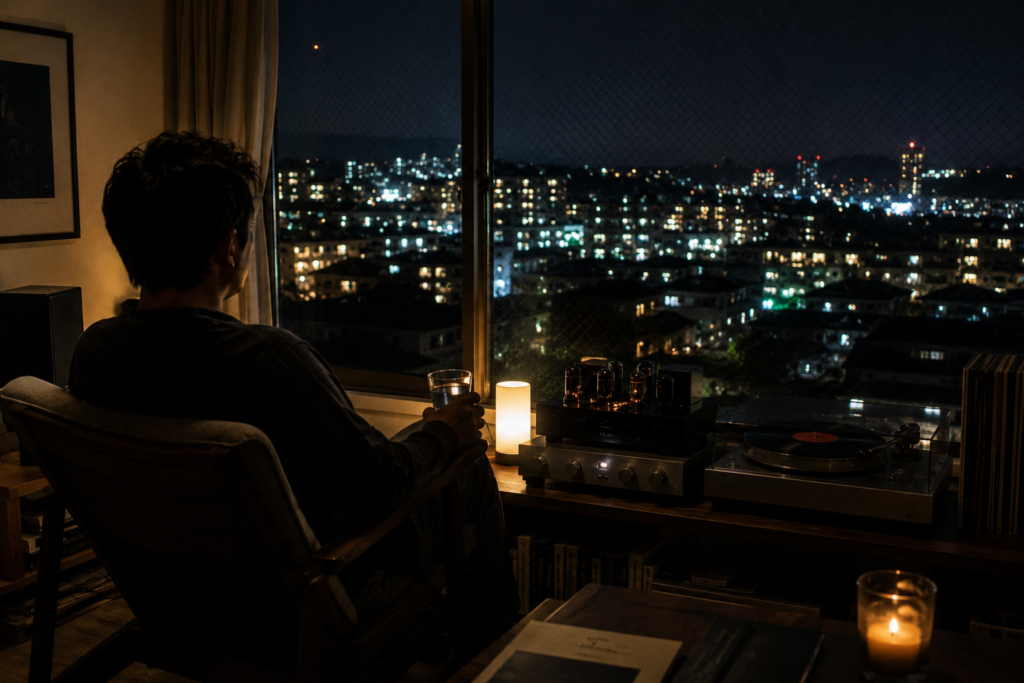
そういえば、この頃に最も繰り返し読んでいた本がある。
ジョン・トッドの『自分を鍛える』だった。
なぜそこまで惹かれたのかは今でもはっきりとは分からない。しかし私は、その本をゆっくりと何度も読み返した。
音楽も数え切れないほど聴いた。
今の私は、人間にとって音楽は想像以上に大きな力を持っていると確信している。
相変わらず多くの薬を飲み続ける毎日だったが、三十七歳になった頃、ある話を耳にしたことをきっかけに、新しい挑戦をしてみようと思い始めた。
その頃、世の中も少しずつ変わり始めていた。
A Long Winter
The brightest years of my youth had come to an end. What followed was a long winter in my life. Little by little, schizophrenia began to take control of my everyday life.
Many people have heard the name schizophrenia, but I think few truly understand what living with it can be like. Looking back now, several symptoms gradually became part of my life.
One of the first was a constant feeling that other people were watching me or paying unusual attention to me. Even today, this symptom is known as the feeling of being observed.
Of course, I could never know what a stranger was actually thinking. Yet if someone looked at me for even a moment, or if I felt they had noticed me, my anxiety would suddenly grow. My mind became exhausted by thoughts that I could never confirm.
Another painful symptom was the feeling that even my own family, or people around me, secretly disliked me.
Because of this, I found it harder and harder to interact with others. My confidence disappeared, and I gradually came to believe that I had little value as a person. Before long, I became afraid of people themselves. I could no longer look someone in the eyes. To those who knew nothing about my illness, I probably seemed distant, nervous, or even suspicious.
The greatest struggle, however, was the way my thoughts began to fall apart.
My mind was constantly filled with unwanted thoughts that seemed to appear without end. Concentrating became difficult. My short-term memory weakened, my judgment became less reliable, and sometimes I even struggled to find the right words.
Looking back, I remember asking myself again and again, “Why am I becoming such a failure?” I blamed myself for things I could not control. There were many other difficulties with my thinking as well, but at the time I had no words to explain them.
My schizophrenia was later diagnosed as the paranoid type, and one of its symptoms was auditory hallucinations.
Whether people were nearby or I was completely alone, I often heard faint voices whispering unpleasant things about me.
Many readers may know the film A Beautiful Mind, which tells the story of the mathematician John Nash. In the movie, Nash repeatedly sees three people who exist only in his mind.
My experience was different. I did not see people who were not there. Instead, I heard voices.
The words were often the same, repeating themselves over and over. They felt completely real to me, even though no one had actually spoken them.
That was one of the most frightening parts of the illness. Although nothing had happened in reality, my mind reacted as if those words had truly been spoken.
Around the age of twenty-five, I finally told my parents that I wanted professional help. Together we decided that I should begin treatment at a large psychiatric hospital in my hometown.
From that day on, medication became a major part of my life.
Every month I returned to the hospital for another prescription. Looking back now, I realize just how many different medications I was taking. Most people would probably be surprised by the number of pills I took every single day.
Despite everything, my family remained an important part of my life.
A few months after I began taking medication, I seemed calmer on the surface. But the calmness came at a price. The medication strongly suppressed many of my symptoms, and it also brought difficult side effects.
I gained a great deal of weight, and my appearance changed noticeably.
Looking back, I do not think my family fully understood what schizophrenia was. I cannot blame them for that. Mental illness was not something people talked about openly, and reliable information was far less available than it is today.
My father, in particular, never once asked me what I was experiencing or how my illness felt. My mother and my younger sister were also doing their best just to manage their own lives. Each of us was carrying a different burden.
I had very few friends and spent most of my time at home.
With the little concentration I still had, I browsed the Internet, played video games, and tried to pass the days. But the two things that quietly supported me were reading and keeping notes.
Looking back now, I sometimes feel a little sorry for the person I was then. Even in the middle of illness, some part of me refused to stop learning.
I often wrote down questions that came to mind, ideas from my own reflections, and names or topics I discovered while reading online.
Some notes were filled with despair.
“There is no way out of this illness.”
Others contained nothing more than a single name.
“Nelson Mandela.”
Or perhaps a short reminder about Admiral Nelson, the hero of the Battle of Trafalgar.
To anyone else, these notes might have looked random or meaningless. But to me, they were small traces of curiosity that had somehow survived.
The years passed more quickly than I realized.
By the time I reached my thirties, I had recovered enough to look for a part-time job.
It was a simple position as a cleaner at a supermarket. The work was not difficult, but for me it was an important step forward. I stayed there for about six years.
During those years, I slowly accepted what I believed was reality.
I thought my illness would never improve very much. I believed that taking many medications and working only a few hours a day was simply the life that had been given to me.
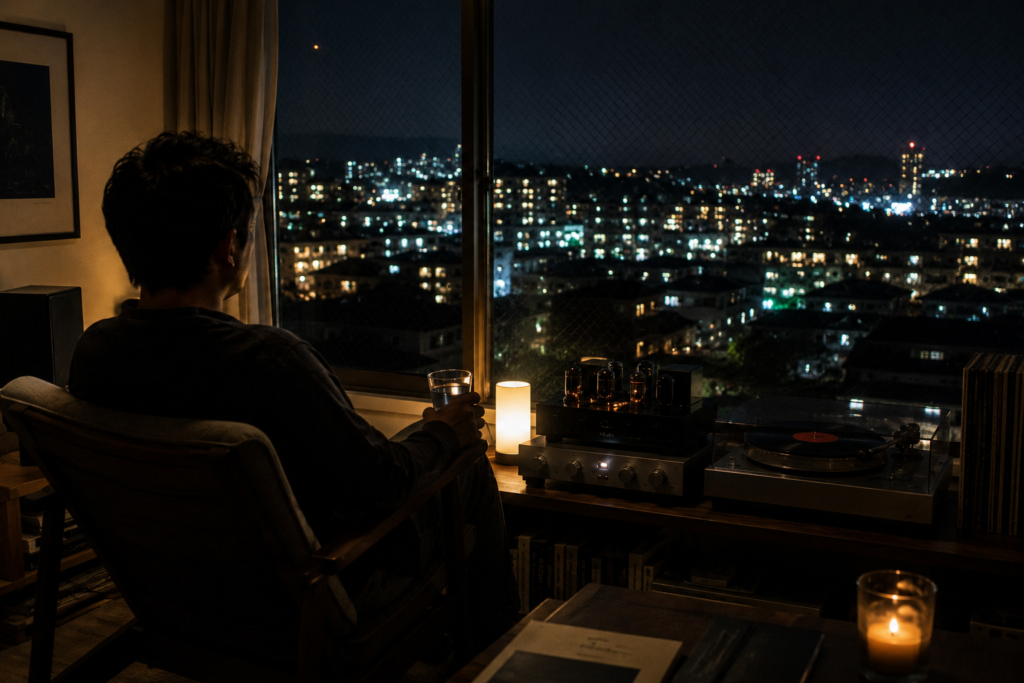
There is one book I should mention because it stayed with me throughout those years.
It was The Way to Cultivate Yourself by John Todd.
Even now, I cannot fully explain why that book meant so much to me. I simply kept returning to it, reading it slowly again and again.
Music also became one of my greatest comforts.
I listened to countless songs during those difficult years. Looking back now, I truly believe that music has an extraordinary power to support the human spirit, especially when words alone are no longer enough.
Life continued much the same way. I still depended on many medications, and each day looked much like the one before it.
Then, when I was thirty-seven years old, I heard about something that awakened my curiosity.
For the first time in many years, I felt the desire to challenge myself again.
The world around me was changing.
And without realizing it, I was beginning to change as well.